The Practical Charm of a Vintage Vacation Home Guest Book
In the world of short-term rentals and hospitality, details make the difference. Between managing bookings, coordinating arrivals, and ensuring guest satisfaction, the administrative tasks can overshadow the personal touch that transforms a simple stay into a memorable experience. This is where the tangible, deliberate charm of a Vintage Vacation Home Guest Book becomes a powerful tool. It serves not just as a nostalgic decorative item, but as a structured, functional pivot point in your guest management workflow.
Integrating a Guest Book into Your Hospitality Process
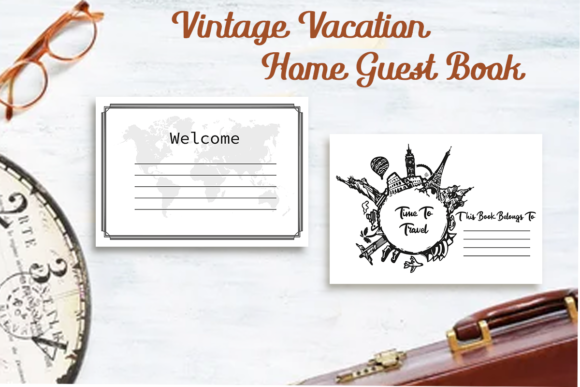
A guest book is often perceived as an afterthought, a quaint notebook left on a shelf for occasional comments. When designed and implemented as part of a clear process, however, it becomes an active component of guest interaction and business organization. The Vintage Vacation Home Guest Book printable is engineered for this integration. Its sections—Guest Name, Dates To Stay, Traveled From, Message To The Host, Favorite Place, and Things To Do—provide a guided framework for capturing information that is valuable both emotionally and operationally.
Consider its role at different stages of the guest journey. Before arrival, you can prepare it alongside other welcome materials, signaling a personalized experience from the start. During the stay, it sits as an inviting prompt for guests to reflect and engage, organizing their feedback in a consistent format rather than scattered notes or digital messages. After departure, it becomes a permanent archive of guest data, preferences, and testimonials, feeding directly into your review analysis, marketing content, and service improvement cycles.
From Sentiment to System: The Functional Design
The key to moving from a purely sentimental object to a process asset is structure. A generic blank journal leaves the data capture unstructured and inconsistent. The formatted Vintage Vacation Home Guest Book, however, standardizes input. This consistency is crucial for long-term use. When every guest fills out the same sections, you create a comparable dataset over time. You can easily analyze common "Favorite Places" to highlight local attractions in your listings, or track "Things To Do" suggestions to update your own guest recommendation guides.
This design also aids in guest organization. For the traveler, it offers a focused moment of reflection during their vacation, helping them consolidate their memories and feedback. For you, the host or property manager, it transforms anecdotal feedback into organized information. Instead of deciphering various notes, you have clear fields for "Traveled From" (useful for demographic insights) and "Message To The Host" (often containing specific praise or constructive notes about the property). This directly enhances the quality control and consistency of your service review process.
Workflow Compatibility and Practical Implementation
A successful tool must fit seamlessly into existing operations. The Vintage Vacation Home Guest Book printable is designed for this compatibility. Offered in ready-to-print PDF files for 100, 120, and 150 pages, and in the popular 8.5 x 6 inch size, it eliminates design and formatting work. You simply print and place. This no-bleed, fully formatted approach means it requires no special software or printing expertise, making it accessible for property owners, small business operators, and even managers of multiple listings.
How do you implement it practically? Begin by treating it as a standard part of your guest welcome kit. Place it in a common area with a quality pen. You might include a brief, handwritten note on the first page inviting guests to share their story. The physical act of writing often yields more thoughtful, detailed feedback than a quick digital review. After each guest departure, make a routine to review the new entry. Extract key data: note their city of origin for your marketing analytics, and photograph or transcribe particularly glowing messages for use on your social media or booking platform, always respecting guest privacy.
Its interaction with other tools is straightforward. The guest book acts as an analog input device. The information gathered can then be transferred into your digital systems—a CRM spreadsheet for guest demographics, a content folder for testimonials, or a task list for property improvements suggested in the messages. It bridges the personal, tactile experience of a vacation home with the digital backend of managing a rental business.
Long-Term Value and Usability Considerations
For long-term usability, consider durability and volume. The printable format allows you to reprint fresh copies as needed, maintaining a clean, professional presentation for each new guest cycle. Choosing the 150-page file for a high-turnover property ensures the book lasts through many seasons without needing replacement. The organized sections prevent the book from becoming a chaotic jumble of unrelated notes, preserving its readability and archival value years later.
This long-term perspective turns the guest book from a single-use item into a growing business asset. A collection of these filled books becomes a unique history of your property and its guests. This can be invaluable for understanding trends, preparing for recurring visitors, and even crafting a narrative for your brand. The "vintage" aesthetic isn't merely decorative; it suggests permanence and legacy, encouraging guests to contribute to a lasting record.
Applications Beyond the Vacation Home
While designed for vacation rentals, the workflow principles of the Vintage Vacation Home Guest Book apply to related contexts. Bloggers or content creators running retreats can use it to capture participant experiences in a structured way. Educators organizing field trips or workshops might employ a similar format to gather feedback and favorite moments. Freelancers hosting clients in a creative space could adapt it to document collaborative sessions. The core idea—using a formatted, physical medium to guide and organize human feedback within a process—is transferable.
In each case, the implementation tips remain similar: integrate it as a deliberate step in your experience workflow, ensure it is easily accessible and inviting, and establish a routine for processing the information it collects post-event. The efficiency gained comes from having feedback pre-organized into useful categories, saving time later in compilation and analysis.
A Tool for Connection and Organization
Ultimately, the Vintage Vacation Home Guest Book printable succeeds by addressing two needs simultaneously: the human desire for connection and reflection, and the operational need for organized data. It doesn't force guests into a purely transactional interaction; it offers a moment of personal engagement. Simultaneously, it delivers that engagement in a format that is practical for the host to use. This duality is its greatest strength.
By adopting such a tool, you embed a consistent, quality-controlled touchpoint into your guest management workflow. You prepare for better feedback, you execute a more memorable guest experience, and you organize the outcomes for continual business improvement. It moves the guest book from the periphery of decor to the center of a thoughtful hospitality process, proving that even the most vintage-inspired tools can play a modern, functional role in your work.