Coffee Roasting Log Book: Your Essential KDP Interior Template
Imagine you're roasting a new batch of beans, trying to nail that perfect caramel sweetness. The aroma is incredible, the color is shifting beautifully, but later, when you taste it, it's just a bit off. What was the exact temperature at the first crack? How long did you develop it? Without a structured record, that invaluable data slips away, lost to memory. This is where a professional tool like a Coffee Roasting Log Book – KDP Interior transforms a casual hobby into a methodical craft. It’s not just a notebook; it’s a pre-designed, ready-to-use template for creating your own physical or digital logbook, tailored for the serious roaster or aspiring coffee entrepreneur.
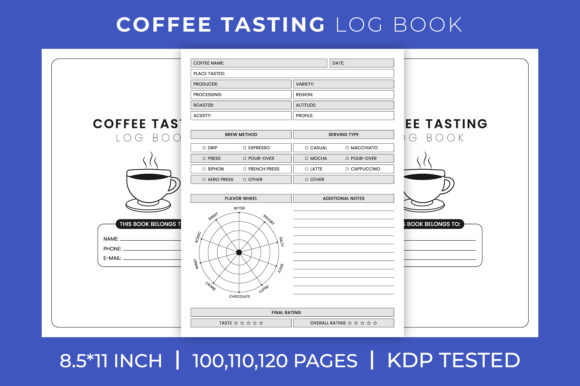
For anyone publishing through Amazon's Kindle Direct Publishing (KDP), this interior offers a foundational, no-fuss starting point. You receive a meticulously formatted PDF file, ready for upload, plus an editable EPS source file, giving you flexibility. Designed at a standard 8.5 x 11-inch trim size with no bleed requirements, it’s engineered to be KDP tested and compliant, removing the technical hurdles of layout design. Available in 100, 110, or 120-page counts, it’s a high-resolution interior that focuses entirely on content and functionality, letting you concentrate on creating a product rather than wrestling with design software.
The Anatomy of a Professional Roasting Journal
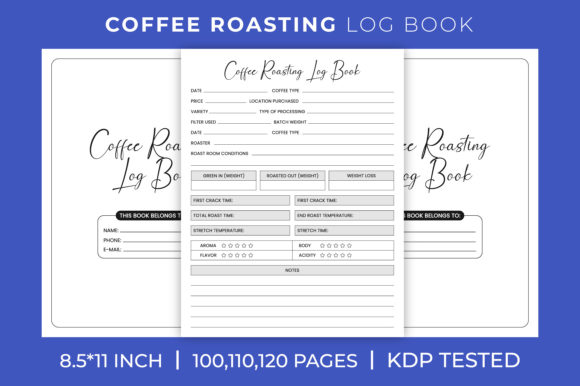
What sets this Coffee Roasting Log Book – KDP Interior apart is its purpose-built structure. It anticipates the data a roaster needs to track. Instead of blank pages, you'll find organized sections for recording batch details, roast profiles, and tasting notes. This logical framework guides users to document the essentials: origin of beans, green weight, roast date, target and actual roast time, temperature curves, and sensory evaluations. The strength lies in its clarity—it turns subjective experience into objective, repeatable data.
For the creator or publisher, the notable qualities are practical. The editable EPS source file is a key asset. This allows you to customize fonts, colors, or layout elements to match your brand before generating your final PDF. Whether you're a hobbyist wanting a personal printed journal or a small business creating a product line for fellow coffee enthusiasts, this adaptability is crucial. The interior is a skeleton; you can flesh it out to meet your specific audience's needs without starting from a daunting blank canvas.
From Bean to Business: Practical Applications
The applications for this log book interior extend far beyond a personal diary. For the home roaster, it’s a tool for skill development. Methodically logging each roast builds a personal database, enabling you to correlate process changes with flavor outcomes. You learn why last week’s Ethiopian was so vibrant and how to replicate it.
For the professional micro-roaster or café owner, it becomes an operational document. It ensures consistency across batches, provides a record for quality control, and can even serve as a communication tool with customers. Sharing specific roast profile details on a product label, derived from your log, adds a layer of transparency and craftsmanship that consumers value.
In educational or workshop environments, a customized version of this Coffee Roasting Log Book can be an excellent handout. It provides students with a standardized format to follow, making instruction and comparison easier. For content creators and bloggers focusing on coffee, offering a beautifully designed printable version of such a log as a resource can deepen audience engagement and provide tangible value.
Finally, in the direct commercial context of Amazon KDP, this interior template is a solution for entrepreneurs exploring low and no-content books. The coffee niche is passionate and growing. A well-designed, functional logbook meets a clear market need. Using this pre-made interior drastically cuts development time, allowing you to focus on marketing, branding, and building your KDP portfolio.
Unlocking Benefits: Consistency, Clarity, and Brand
The core benefit of utilizing this specific KDP interior is efficiency. Designing a functional logbook from scratch requires time and graphic design skill. This template eliminates that barrier. The usability is inherent; the layout prompts the user for information, making the journal intuitive to fill out. This leads to better, more consistent data collection for the end-user, which directly translates to improved roasting productivity and outcomes.
From a publisher’s perspective, the high-resolution, tested format ensures a professional appearance. A poorly formatted interior can undermine a product’s perceived value, even if the content idea is strong. This template provides a polished foundation. Furthermore, the ability to edit the EPS file opens doors for branding. You can incorporate your logo, use a specific color palette, or adjust typography to create a unique product that stands out in the Amazon marketplace while retaining all the functional structure of the original Coffee Roasting Log Book – KDP Interior.
Real-World Use Cases and Considerations
Consider a freelance roaster who consults for small cafes. She uses a customized version of this log book to provide each client with a unique roast profile record. The journal becomes part of her service package, adding tangible value and demonstrating her methodological approach. Another example: an entrepreneur identifies a demand for specialty coffee gear and accessories. He uses the interior to quickly produce a high-quality Coffee Roasting Notebook, sells it on KDP, and uses it as a complementary product to his physical coffee bean sales, creating a cohesive brand ecosystem.
When selecting or evaluating such a template, your considerations should be practical. Match the page count (100, 110, 120) to your target use—a personal journal might need fewer pages, while a commercial product might benefit from more. Confirm that the trim size and no-bleed design fit your KDP strategy; the 8.5 x 11-inch format is versatile and familiar. Most importantly, assess the structure of the interior itself. Does the layout logically flow for a roasting process? Does it include all the fields you, or your target customer, would need? The editable source file is your safety net, allowing you to add or modify fields if necessary.
Implementing Your Roasting Log Book Project
To implement this, start with the end-user in mind. If you're creating for yourself, the ready-to-upload PDF might be sufficient. Print it, bind it, and start roasting. If you're publishing, use the EPS file in a vector graphics editor like Adobe Illustrator or Affinity Designer to make your brand adjustments. Add a compelling cover design—the interior is the engine, but the cover is the face of your product. Then, follow the standard KDP upload process with your finalized PDF.
The key is to view the Coffee Roasting Log Book – KDP Interior not as a final product, but as a core component. Its value is in its readiness and its focus. It handles the complex part of designing a useful interior layout, freeing you to invest your energy in the aspects that truly differentiate your project: your branding, your marketing, and your deep understanding of the coffee community's needs. In the world of print-on-demand and digital publishing, such templates are the bridges that turn expertise and ideas into tangible, marketable products, one meticulously logged roast at a time.