A Professional Bill Payment Tracker Interior for KDP Publishing
Keeping a meticulous record of your monthly expenses is a cornerstone of sound financial management. For many, this means scribbling notes on random scraps of paper or juggling multiple digital files, a system that often leads to disorganization and missed payments. For authors and entrepreneurs in the print-on-demand space, there's a growing opportunity to provide a structured solution to this common problem. The Bill Payment Tracker – KDP Interior is a purpose-built, ready-to-use template designed specifically for Amazon KDP (Kindle Direct Publishing). It transforms the concept of a simple bill log into a polished, professional product, enabling creators to quickly publish a physical tracker journal without the hassle of designing it from scratch.
This isn't just a blank notebook. It's a meticulously formatted interior file, engineered to function as a complete book once uploaded to KDP. The value proposition here is efficiency and quality. Instead of spending hours or days wrestling with layout software, margins, and pagination, a publisher can acquire this interior and have a market-ready product in a remarkably short timeframe. This bridges the gap between identifying a market need—people wanting a better way to track bills—and actually delivering a tangible product to meet that need.
Key Characteristics of a Ready-to-Publish Interior
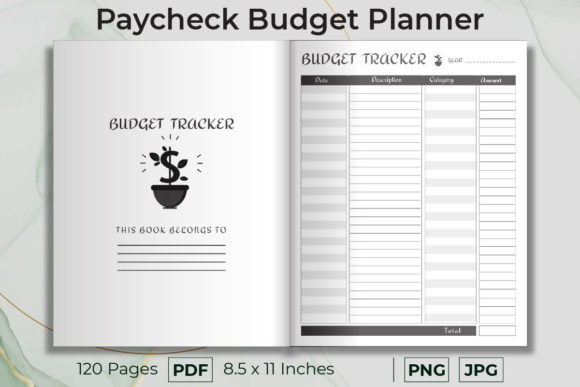
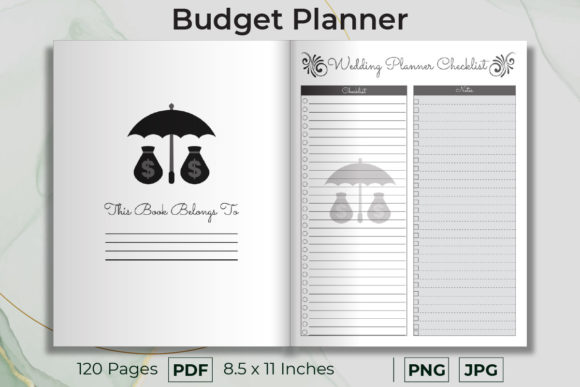
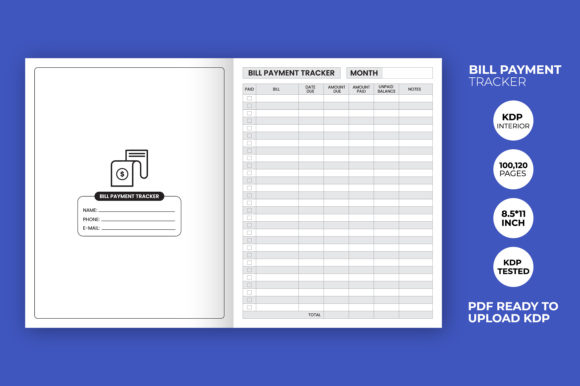
When evaluating a Bill Payment Tracker – KDP Interior, several technical and design qualities stand out. First is the specification of a trim size of 8.5 x 11 inches, the standard US letter format. This size is familiar, practical for writing, and compatible with a wide range of printing and binding options. The interior comes as a high-resolution PDF file ready to upload directly to Amazon's KDP platform. This is the final, print-ready file. Additionally, an editable EPS source file is often provided. This is crucial for publishers who wish to make minor customizations, such as adding a unique brand logo or adjusting a color scheme, before generating their final PDF.
The mention of "No Bleed" is a specific technical point. Bleed refers to design elements that extend beyond the page's trim edge to ensure no unwanted white borders after cutting. A "No Bleed" interior means all content is safely within the margins, suitable for simpler designs where full-page background images aren't required. It simplifies the printing process. Furthermore, being "KDP Tested" indicates the file has been validated against Amazon's often stringent upload requirements, minimizing the risk of frustrating rejections due to formatting errors. With options for 100 or 120 pages, the interior provides substantial volume, making the final product feel like a comprehensive logbook or handbook designed to last a customer an entire year or more.
The Practical Application: From Creator to Customer
How does this interior file translate into real-world use? The journey is two-fold. For the publisher—the entrepreneur, freelancer, or hobbyist looking to build a catalog on KDP—it represents a swift path to product creation. They can focus their energy on marketing, cover design, and understanding their audience rather than on complex interior layout. Once published, the physical book serves a clear function for the end customer.
Imagine a young professional, newly independent, managing their first apartment, car loan, and utilities. A dedicated Bill Payment Tracker journal offers a single, centralized place to record due dates, amounts paid, payment methods, and confirmation numbers. It becomes a reliable paper backup to digital systems, a tool for annual financial reviews, and a way to visualize spending patterns across months. For families, it can be a shared organizer to coordinate household finances. Small business owners might use it as a straightforward invoice tracker for recurring client bills or office expenses, separate from their more complex accounting software.
Beyond Personal Use: Commercial and Creative Opportunities
The utility of this interior extends beyond personal finance. Educators might employ it as a practical teaching tool in basic economics or life-skills classes. Bloggers and content creators in the finance niche could use it as a branded physical product to complement their digital advice, enhancing their authority and offering a tangible value to their community. The editable source file (EPS) is key here. A publisher can tailor the interior, perhaps adding specific sections for tracking subscription services, charitable donations, or project-related expenses, thereby creating a specialized bill payments planner for a niche audience.
From a commercial perspective, books built from such interiors fall into the category of low and no content books, but with high functional value. They are not novels or textbooks filled with original prose, but they solve a specific, recurring problem. The market for practical tracking and planning aids is consistent. By offering a well-designed, professional-looking product, a publisher can stand out in a crowded marketplace. The clean, high-resolution layout ensures the final printed book has a quality feel, which is essential for customer satisfaction and repeat purchases.
Selecting and Implementing a Bill Payment Tracker Interior
If you're considering using a Bill Payment Tracker – KDP Interior for your publishing project, several practical considerations are important. First, verify the compatibility. Ensure the trim size matches your intended cover design and that the page count aligns with your pricing strategy. Review the provided samples to assess the layout's usability: Are the tracking fields logical and spacious enough? Is there a good balance between structure and blank space for notes?
Second, understand the file types. The ready-to-upload PDF is for immediate publishing. The EPS file is your gateway to customization, but you will need access to vector graphic software like Adobe Illustrator to use it. If you lack those skills, the pre-made PDF might be perfectly sufficient. Finally, think about your audience. While the core function is universal, you can market it in different ways. Position it as a monthly bill payments tracker for individuals, a bill payment keeper for small offices, or even a bill checklist for event planners managing vendor payments. Your cover title, description, and keywords on KDP should reflect this targeted positioning.
In essence, the Bill Payment Tracker – KDP Interior is more than a digital file; it's a product catalyst. It empowers creators to quickly deliver a tool that promotes order, reduces financial anxiety, and provides a physical anchor in an increasingly digital world. For the user, it transforms bill management from a scattered chore into a simple, consistent habit. This synergy between a publisher's need for efficient production and a customer's need for practical functionality is what makes such specialized interiors a valuable asset in the print-on-demand ecosystem.