Decorated Composition Line Journal V3: A Printable Interior for KDP Publishing
In the world of self-publishing through Amazon's Kindle Direct Publishing (KDP), the interior design of a physical book is a critical component. The Decorated Composition Line Journal V3 represents a specific type of product in this ecosystem: a pre-designed, printable book interior template. It is not a completed journal you purchase off the shelf, but rather a digital file package intended for publishers, designers, or entrepreneurs who wish to create and sell their own printed journals or notebooks on the KDP platform.
This article provides a balanced evaluation of the Decorated Composition Line Journal V3 template. We will explore its characteristics, the practical reasons for considering it, its benefits and limitations, and scenarios where it might be a strong fit or where alternatives could be more appropriate. The goal is to offer practical insights to help anyone researching KDP interior templates make an informed decision aligned with their publishing goals.
What Is the Decorated Composition Line Journal V3?
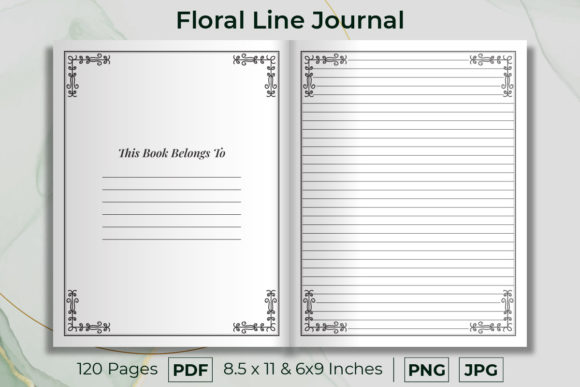
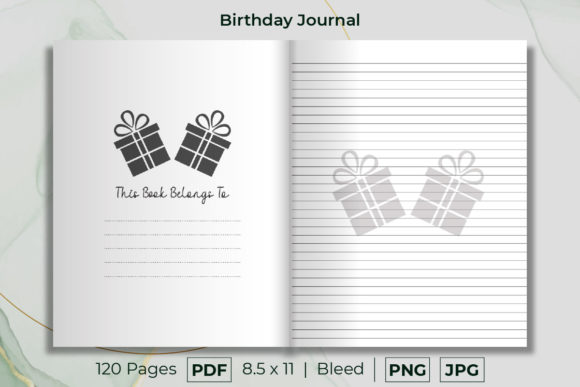
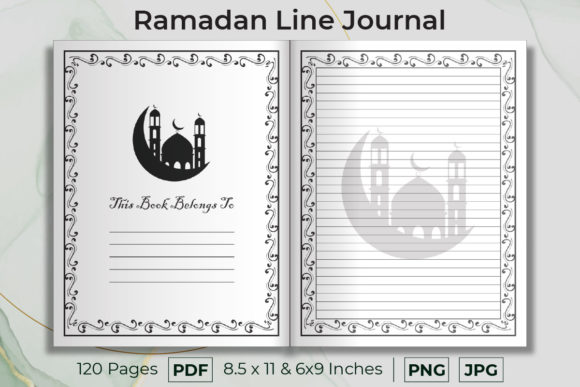
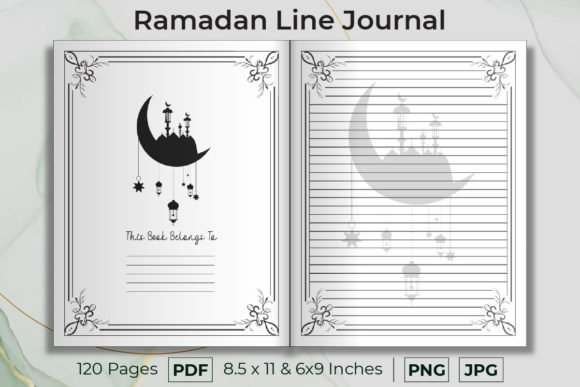
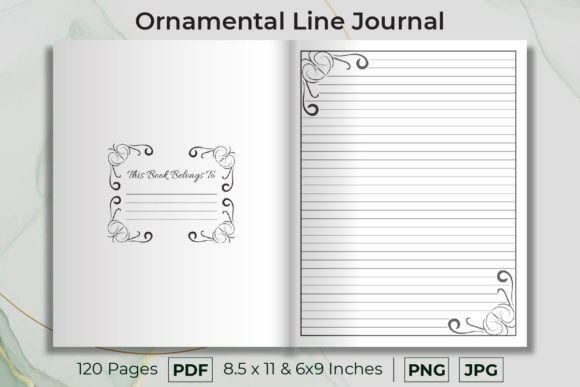
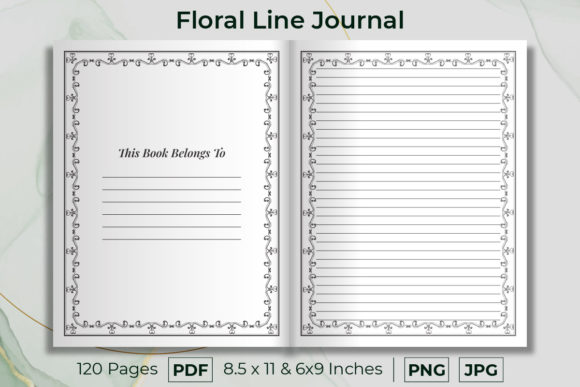
The core product is a digital bundle of files formatted specifically for paperback book printing. As described, it includes a 120-page PDF ready for upload to KDP, alongside high-resolution PNG and JPG files. The design is pre-formatted for two standard paperback sizes: 8.5x11 inches and 6x9 inches. It utilizes a "no bleed" format, meaning the design elements do not extend to the very edge of the page, which simplifies printing and reduces the risk of trimming errors.
The "Decorated Composition Line" name suggests a journal interior that combines a standard ruled or lined composition page layout with decorative elements. These could include borders, headers, footers, or artistic touches that elevate the page beyond a simple, plain notebook. The "V3" indicates it is a third version or iteration, potentially offering refinements over earlier designs.
Reasons for Interest and Key Benefits
Individuals exploring such a template typically fall into several categories: aspiring KDP publishers seeking to minimize design time, graphic designers looking for a base template to customize, or content creators wanting to produce a themed journal quickly. The primary benefits of the Decorated Composition Line Journal V3 align with these needs.
Time and Efficiency
A ready-to-upload interior drastically reduces the time required to launch a KDP journal. Creating a 120-page interior with consistent decorative elements, proper margins, and correct formatting for KDP's specifications requires significant technical and design effort. This template eliminates that foundational work.
Technical Compliance
The included PDF is presumably already configured with KDP's required margins and no-bleed settings for the specified trim sizes. This reduces the risk of technical rejection or printing issues during the KDP upload process, a common hurdle for new publishers.
Design Foundation
Having high-resolution PNG and JPG source files provides flexibility. A publisher can use the PDF as-is for a straightforward product, or use the image files to further customize pages in graphic editing software, adding their own logo, altering colors, or integrating additional artwork.
Tradeoffs and Important Considerations
While the benefits are clear, relying on a pre-made template involves certain tradeoffs. A balanced evaluation requires acknowledging these considerations.
Market Differentiation
Using a widely available template can lead to a product that resembles many others on the KDP marketplace. If the template is sold to multiple publishers, journals based on the Decorated Composition Line Journal V3 might lack unique visual identity, potentially affecting competitiveness unless combined with strong branding, cover design, or niche content.
Customization Limits
Although source files are included, the degree of customization possible depends on the user's design skills and software. The decorative elements are fixed; changing the core decorative theme might require extensive redesign work. The "V3" style is a specific aesthetic that may not align with every journal concept.
Page Count and Structure
The template offers 120 pages. This is a fixed count. Publishers needing a shorter or longer journal would need to manually add or remove pages, which can disrupt consistency. Furthermore, the internal structure—how the decorated lines are arranged, whether there are front matter pages like title pages or tables of contents—should be scrutinized in the actual files to ensure it meets the publisher's vision.
Situations Where This Template Is a Strong Fit
The Decorated Composition Line Journal V3 can be an excellent solution in specific scenarios.
- First-Time KDP Publishers: Individuals new to paperback publishing who want to understand the process with a technically sound interior can benefit greatly. It allows them to focus on other crucial aspects like cover design, title selection, keyword research, and marketing.
- Publishing for a Specific, Temporary Need: For example, creating a journal for a local event, workshop, or as a promotional item where speed and cost-efficiency are priorities over creating a wholly unique, branded product line.
- Designers with Customization Plans: Graphic professionals who intend to use the high-resolution files as a robust starting point for significant customization, effectively treating the template as a time-saving layout foundation rather than the final design.
Situations Where Alternatives May Be Worth Considering
Depending on your goals, other approaches might yield better results.
- Building a Unique Brand: If you plan to establish a series of journals or a recognizable brand in the notebook market, investing in a custom-designed interior from a freelance designer or creating your own from scratch may be more strategic for long-term differentiation.
- Requiring Highly Specific Layouts: If your journal concept requires unique page functionalities beyond decorated lines—such as integrated calendars, habit trackers, specific grid patterns, or mixed page types—a generic lined template may not suffice, even with customization.
- Seeking Maximum Cost Control: For those with strong design skills using software like Adobe InDesign or Affinity Publisher, creating a simple interior without decorations from scratch could be more cost-effective than purchasing a template, especially if producing multiple journal variants.
Practical Decision-Making Insights
To determine if the Decorated Composition Line Journal V3 aligns with your needs, ask yourself these practical questions:
- What is my primary goal? Is it to learn the KDP process quickly, to produce a single journal efficiently, or to build a scalable brand?
- What are my design capabilities? Can I work with PNG/JPG files to customize the template effectively, or would I be using the PDF as-is?
- Have I reviewed the actual sample? Most template sellers provide preview images. Do the decoration style and line spacing of the V3 match the audience and purpose of my intended journal?
- What is my competition analysis? Searching KDP for "composition notebook" or "decorated journal" can reveal how many similar interiors exist. Can my cover, title, and marketing plan compensate for a common interior?
Ultimately, templates like the Decorated Composition Line Journal V3 serve as tools. Their value is not inherently positive or negative; it depends on the context of your project. They offer a bridge to market entry, reducing technical barriers. However, they also represent a starting point, not an endpoint. Success in the KDP marketplace will still depend heavily on the other elements of your product: a compelling cover, a clear target audience, effective pricing, and thoughtful marketing. By evaluating this template objectively against your own resources, skills, and ambitions, you can make a pragmatic choice that moves your publishing project forward.