Why Designers Use This Puzzle Book Resource
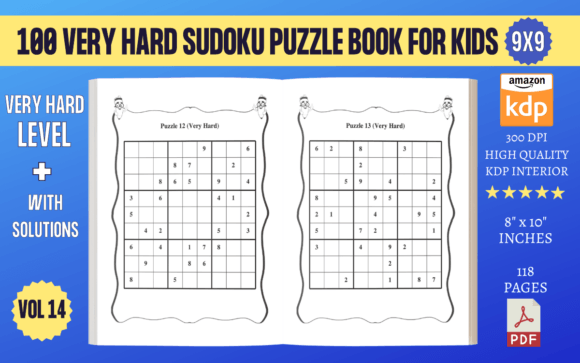
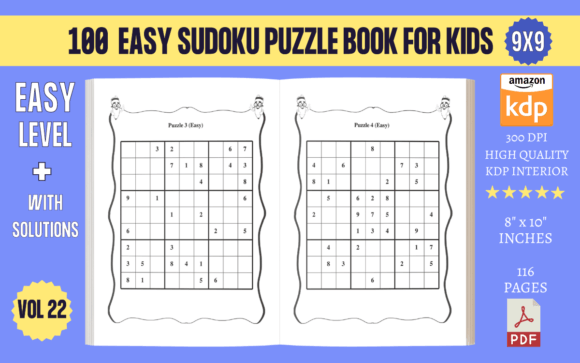
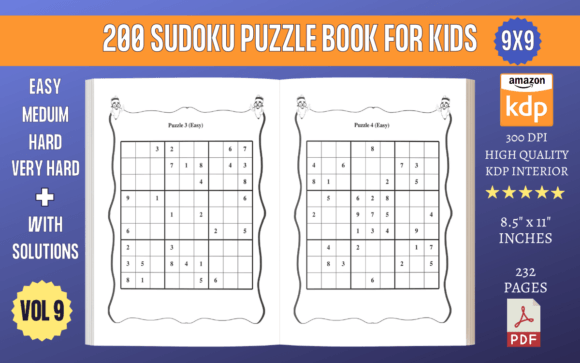
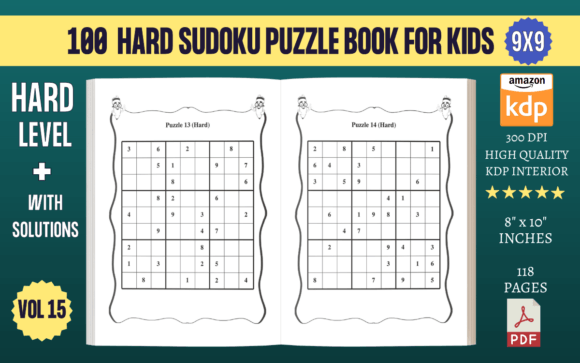
At first glance, a puzzle book might seem like a simple product, but from a design perspective, it's a fascinating project that tests your skills in layout, typography, and user experience. This is especially true when working with resources like the 100 Hard Sudoku Puzzle Book for Kids—an interior KDP Sudoku file designed to be taken apart and remixed. For graphic designers, marketers, and creators, this isn't just a puzzle collection; it's a flexible, high-quality asset that can serve as the foundation for countless unique activity books.
The core value here is modularity. You're not locked into a single layout or visual style. Instead, you have a clean, well-structured 9x9 puzzle grid system that can be integrated into your broader creative projects. This allows you to focus your energy on the brand identity, color palette, and overall visual design of the book, while relying on a professionally formatted puzzle engine.
Applications in Creative Projects and Branding
How can this kind of resource elevate your design work? It starts with understanding its role as a core component within a larger system. In editorial design and layout, consistency is paramount. The clear grid structure of these puzzles provides a reliable anchor point. You can build a cohesive visual hierarchy around it, ensuring that instructions, titles, and solutions all complement each other with unified typography and spacing.
Building a Cohesive Activity Book Series
Imagine creating a series of activity books for a children's brand. Using this puzzle file as a starting point, you can develop a consistent look across multiple volumes. You have the freedom to:
- Apply your custom color palette to the puzzle grids and background elements.
- Integrate your brand's logo and typography on every page.
- Mix the puzzles with other game types and your original graphics to create a unique product.
- Ensure a professional presentation with the 8"x10" PDF dimensions and high-quality output.
This approach strengthens brand identity. A child or parent recognizes the series not just by the content, but by the consistent visual language—the modern aesthetics, the clean lines, the friendly yet challenging feel you've designed around the core puzzles.
Design Considerations for Usability and Impact
Even with a provided asset, your design choices determine the final user experience. The "1 puzzle per page" format offers a clean canvas, but it's your job to enhance it. Consider readability: the numbers within the grid need to be clear against your chosen background. The typography for any instructional text should be legible and match the tone of your book—perhaps playful for kids, or more sleek for a general audience.
Scalability is another key factor. The PDF format and defined dimensions mean the asset is ready for print design, such as packaging or physical merchandise. But it can also be adapted for digital products. You could extract individual puzzles for use in social media graphics as engagement tools, or incorporate them into website or UI design for interactive online challenges.
When evaluating any design asset for integration, ask yourself:
- Does it complement my existing brand system and color palette?
- Is the visual hierarchy clear and supportive of the user's journey (from puzzle to solution)?
- Can it scale across different mediums—from print to digital marketing materials?
- Does it leave room for my creative expression and unique graphics?
The 100 Hard Sudoku Puzzle Book for Kids resource answers these questions positively. It provides the structured puzzle content and solutions, freeing you to concentrate on the surrounding creative assets that define your project's visual impact.
In the end, thoughtful design is about communication and experience. Whether you're crafting an activity book, developing marketing materials, or building a digital product, the components you choose must work together seamlessly. A quality, flexible base asset like this puzzle book allows you to apply your skills in color, typography, and composition to create a result that is not only fun and engaging but also visually polished and professionally presented. It’s a reminder that great design often starts with a solid foundation you can creatively build upon.