The Heart Theme Lined Journal Notebook V2: A Practical Asset for Creators and Publishers
In the world of digital publishing and content creation, efficiency and consistency are paramount. The process of bringing a product to market, whether it's a physical notebook or a digital template, involves numerous stages—from initial design to final distribution. The Heart Theme Lined Journal Notebook V2 is more than just a design; it is a complete, ready-to-use printable KDP interior book that represents a significant milestone in this workflow. For professionals, entrepreneurs, and hobbyists looking to publish on platforms like Amazon KDP, this asset eliminates a substantial portion of the preparatory work, allowing focus to shift to marketing, branding, and business growth.
Understanding the Asset and Its Place in Your Process
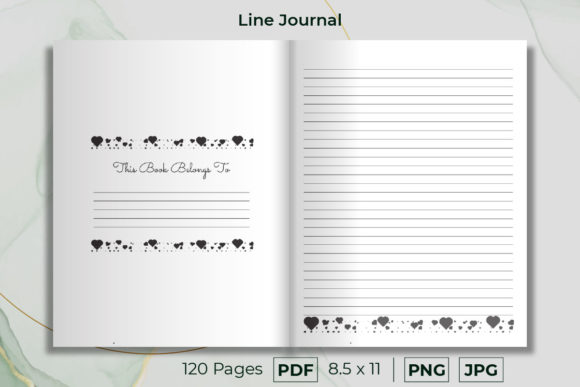
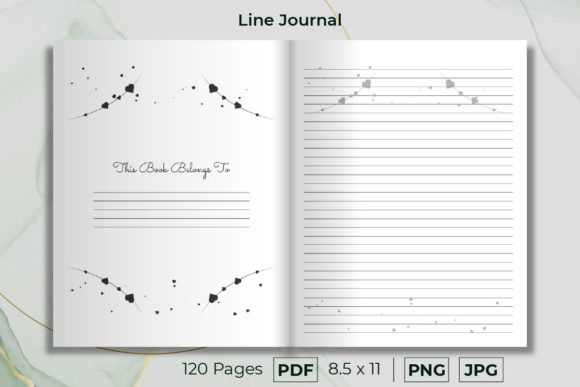
The Heart Theme Lined Journal Notebook V2 is a formatted interior template designed specifically for journal and notebook publications. Its core value lies in its readiness. Provided as a package containing a 120-page PDF ready for upload, alongside high-resolution PNG and JPG files, it is engineered to be compatible with the standard 8.5x11 inch paperback format. This means a creator or publisher can integrate this asset directly into their production pipeline without needing to invest time in page layout design, margin calibration, or file type conversion. It fits into the workflow after the conceptual stage—where a niche or theme (like the heart motif) has been decided—and before the technical upload and listing phase on KDP.
Integration with Tools and Platforms
This interior book interacts seamlessly with the Amazon Kindle Direct Publishing platform. The PDF file is formatted to meet KDP's specifications for interior uploads, which is a critical step in ensuring a smooth publishing process. Furthermore, the inclusion of high-resolution PNG and JPG files provides flexibility. These can be used for creating marketing materials on social media, in email campaigns, or on other sales platforms like Etsy or a personal website. For a marketer or blogger promoting their own KDP journal, these image files serve as immediate assets for visual content, reducing dependency on graphic design software or additional resource procurement.
The editable source files mentioned—though not detailed in the description—typically imply that further customization is possible for those with design software like Adobe InDesign or Canva. This allows for minor adjustments to better align with a specific brand palette or to add unique introductory pages. This interaction highlights a key principle in efficient workflows: having a foundation that is both rigid enough for quality control and flexible enough for personalization.
Practical Implementation and Workflow Examples
Consider a freelance designer or small business owner who decides to expand their product line into printable journals. Their process might involve market research, theme selection, design creation, and technical preparation. By adopting the Heart Theme Lined Journal Notebook V2, they effectively shortcut the design and technical preparation phases. Their workflow then becomes: 1) Validate the heart theme's market appeal, 2) Acquire the V2 interior package, 3) Use the provided PNG files to create a compelling cover design (often the next step in KDP book creation), 4) Upload the ready PDF to KDP alongside the cover, and 5) Launch the product while using the JPG/PNG assets in promotional activities.
For an educator or coach creating supplementary materials for clients, this journal interior could serve as the basis for a guided reflection workbook. They could take the provided PDF, add their own instructional text or prompts in the editable source files if available, and distribute it as a printable resource. This demonstrates how a pre-formatted asset can be repurposed across different professional contexts, saving significant time on layout and formatting while ensuring a polished, professional end product.
Key Factors for Successful Use: Usability and Organization
The usability of the Heart Theme Lined Journal Notebook V2 is high due to its clear specifications and file variety. The 120-page count is a standard, offering substantial content without being overwhelming. The 8.5x11 inch size is the most common for U.S. paperback journals, ensuring compatibility with reader expectations and KDP's printing systems. Organizationally, having distinct file types (PDF, PNG, JPG) catered to different needs helps creators maintain an efficient digital asset library. The PDF is for the core product, the high-resolution images are for marketing and previews, and the source files (if provided) are for the modification archive.
Quality control is inherent in a product described as "ready to upload." This implies that margins, bleed areas (if any), and page sequencing have been professionally checked. For the user, this reduces the risk of upload errors or a poorly printed final book, which are common hurdles for new KDP publishers. Long-term use is also a consideration. A publisher might use this exact interior for multiple publications if they establish a series, or they might use it as a reference template for future custom designs, studying its structure to understand best practices in KDP interior formatting.
Smooth Integration into Routines and Projects
Integrating this asset into an existing routine requires minimal disruption. For a productivity-minded user running a side business in printable products, it can be treated as a stocked inventory item. Once downloaded, it sits in a designated "KDP Interiors" folder, ready to be paired with a new cover design whenever a new product launch is scheduled. This supports a consistent output rhythm without the variable time investment of designing interiors from scratch.
During a creative process, such as planning a year of product releases, the Heart Theme Lined Journal Notebook V2 can be slotted into the calendar as a known constant. Its predictable readiness allows other, more variable tasks—like market research or cover design brainstorming—to be allocated more time. After a project, like the successful launch of a journal, the high-resolution image files remain useful for ongoing social media promotion, highlighting the product's interior quality to potential customers.
Observations on Efficiency and Creative Focus
A practical observation is that using such a ready-made interior shifts the creator's effort from technical execution to creative and strategic execution. The mental energy normally spent on aligning page numbers or checking file resolution is now available for refining the product's description, optimizing keywords for KDP search, or building a launch strategy. This aligns with a core principle of modern workflow optimization: delegate or automate repetitive tasks to preserve cognitive resources for high-value decisions.
Moreover, the themed nature (Heart Theme) provides a creative constraint that can actually enhance focus. Instead of starting with a blank canvas and limitless possibilities, the user starts with a defined aesthetic. This can speed up complementary decisions, such as choosing a cover color palette or writing marketing copy that echoes the theme of love, care, gratitude, or personal reflection. The asset becomes not just a technical template but a thematic anchor for the entire project.
Conclusion: A Tool for Execution
The Heart Theme Lined Journal Notebook V2 embodies a practical approach to digital publishing. It is an asset designed for execution. By addressing the common needs for format compatibility, file readiness, and asset variety, it allows a diverse audience—from professionals to hobbyists—to incorporate a quality journal interior into their workflows with confidence. Its value is realized not in isolation, but in how it interacts with other elements of the publishing process: the cover design, the KDP platform, marketing channels, and the user's overall business or creative goals. For anyone looking to publish a journal on KDP efficiently, it represents a significant reduction in friction, enabling them to move faster from idea to product, and ultimately, to their audience.