Free Graph Paper: A Practical Resource for Creators and Entrepreneurs
In a digital age dominated by screens and vector files, the enduring utility of free graph paper is a testament to the power of simple tools. Graph paper, with its precise grid of squares, provides a structured canvas for both analog and digital workflows. It is more than just a sheet of lines; it is a foundational tool for planning, designing, sketching, and organizing. For anyone involved in creative projects, technical drawings, data plotting, or even simple note-taking, access to free graph paper removes a small barrier, enabling productivity and clarity without cost.
The Rise of Low-Content Publishing and Creator Economy
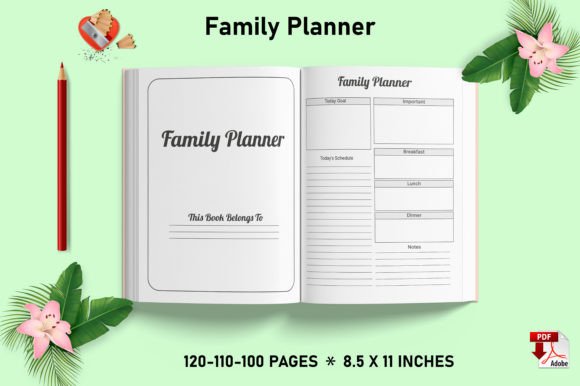
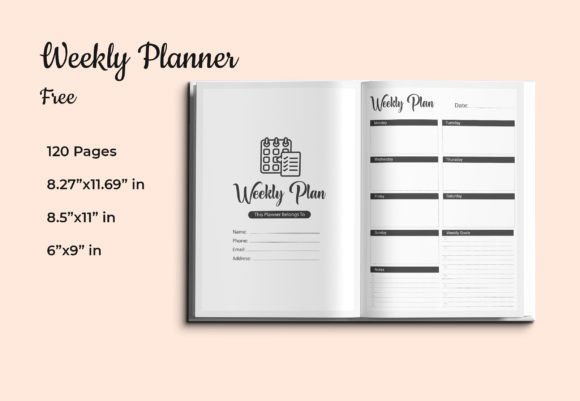
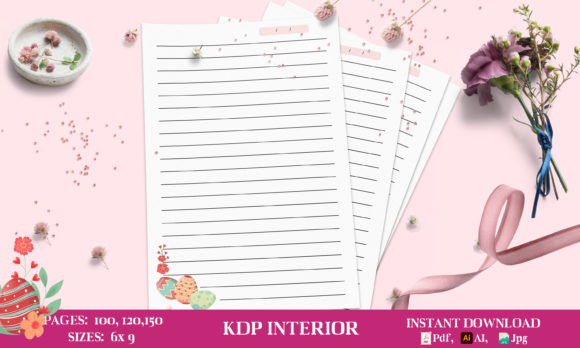
The landscape of publishing and entrepreneurship has dramatically shifted, welcoming a new wave of creators who leverage platforms like Amazon's Kindle Direct Publishing (KDP). This movement, often termed the "low-content" or "no-content" publishing niche, focuses on providing functional, ready-to-use tools and templates rather than lengthy manuscripts. Journals, planners, worksheets, and graph paper interiors form the core of this business model. It caters to a growing audience of professionals, hobbyists, students, and educators who value physical tools for thought and organization, even as they operate in a digital world. Free graph paper serves as both a useful product for end-users and a potential starting point for entrepreneurs looking to enter this accessible market.
Why Graph Paper Remains Relevant in Modern Workflows
Despite advanced software for every conceivable task, the tactile nature of sketching on graph paper offers unique advantages. It encourages freeform ideation without the constraints or learning curve of a digital interface. Architects might scratch initial concepts, engineers might draft quick schematics, and writers might plot narrative structures using the grids as a guide. The discipline imposed by the squares aids in creating proportionally accurate sketches, scaling drawings, and keeping notes visually aligned. In educational settings, it is indispensable for teaching mathematics, science, and art. The demand for physical graph paper persists because it complements, rather than replaces, digital tools, acting as a crucial first step in many creative and analytical processes.
From Free Resource to Ready-to-Sell Product
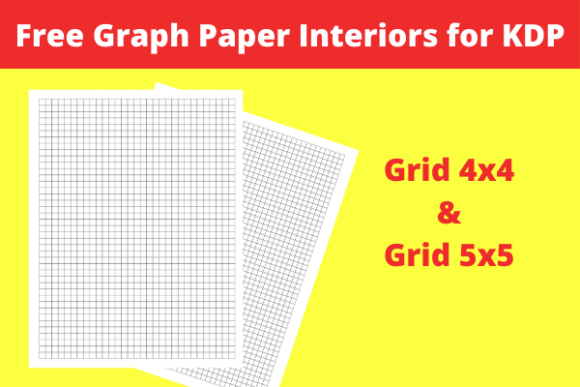
This is where a simple offering like a free graph paper file transforms into a business opportunity. Consider a ZIP file containing two pages of grid paper: one with a 4x4 grid and another with a 5x5 grid, formatted to the standard 8.5 x 11-inch size. This is not merely a downloadable print-out; it is a templated interior ready for commercial use. The key instruction, "you can duplicate this File and use it in your KDP account," unlocks its potential. For an entrepreneur, this means the foundational design work is complete. The grids are properly formatted, the margins are set for print, and the file is prepared for duplication—allowing the creator to generate a 100-page graph paper notebook by simply replicating the two master pages.
Meeting the Market Need for Tested and Ready Interiors
The phrase "100 formatted and tested for KDP, ready to upload" addresses a critical pain point for new publishers. The KDP platform has specific technical requirements for uploads to ensure print quality. Files that are not properly formatted can lead to rejected uploads, poor printing results, and customer complaints. A product that is pre-tested eliminates this technical hurdle, allowing the business owner to focus on marketing, branding, and scaling their portfolio rather than troubleshooting file settings. This reliability is invaluable. It turns a generic digital product into a trustworthy, professional offering suitable for a commercial bookstore like Amazon.
Practical Implications for Creators and Professionals
For the end-user—the professional, student, or hobbyist who purchases a graph paper notebook from KDP—the value lies in convenience and quality. They receive a physical product tailored to precise needs, shipped directly to them, without having to search for or print their own grids. For the creator or entrepreneur operating the KDP account, the implications are business-oriented.
- Low Overhead Startup: Beginning a low-content publishing business requires minimal investment. Using pre-formatted interiors like this graph paper file means there are no costs for graphic design or complex software licenses.
- Scalability: One successful interior template, such as this 4x4 and 5x5 grid set, can be the basis for multiple products. Variations can be created by altering cover designs, branding the interiors as "engineering pads" or "creative sketchbooks," and targeting different audience niches.
- Time Efficiency: The "ready to upload" status accelerates the product launch cycle. From idea to live Amazon listing can be a matter of days, not weeks, allowing for rapid testing of market ideas.
Integrating Analog Tools into a Digital Business Model
This model beautifully integrates an analog tool into a fully digital business workflow. The creator manages everything online: uploading the file, setting the price, and handling customer service through KDP's platform. The physical product, the graph paper notebook, is manufactured and shipped on-demand by Amazon's print-on-demand service. This eliminates inventory management, shipping logistics, and upfront printing costs. The entrepreneur becomes a curator and provider of useful tools, leveraging a global distribution system to reach customers who still value the tactile experience of pen on paper.
Observations on Quality and User Expectations
While the business model is accessible, success hinges on understanding user expectations. Customers purchasing a graph paper notebook anticipate clean, consistent grids, bleed-free margins, and paper quality suitable for pens and pencils. The note "All KDP ready" implies these quality checks are embedded in the file. For the creator, it is also wise to consider complementary products. A graph paper interior could be part of a bundle with dot grid or lined paper notebooks, or it could be marketed specifically to audiences like bullet journal enthusiasts, STEM students, or knitting designers who use grids for pattern charts. The free initial file acts as a prototype, but market research and niche targeting will determine its commercial success.
Ultimately, this specific offering of free graph paper encapsulates a modern entrepreneurial spirit. It recognizes that valuable resources can be both freely shared and commercially leveraged. It aligns with trends of self-publishing, the creator economy, and the sustained demand for physical productivity tools. For the user, it provides a straightforward tool for countless applications. For the business owner, it provides a verified, operational foundation for a potentially profitable venture. In both cases, the simple grid paper becomes a bridge between idea and execution, between digital convenience and analog utility.