Essential Tools for Health Management
Managing a health condition like diabetes requires daily vigilance. It’s not just about medications or doctor visits; it’s about consistent tracking, the kind that turns scattered numbers into actionable insights. For anyone monitoring their blood glucose levels, a dedicated logbook becomes more than a notebook—it’s a central command station for personal health data.
What a Blood Sugar Tracker Logbook Provides
A Blood Sugar Tracker Logbook is a purpose-built tool designed to simplify the recording and analysis of glucose readings, meals, medication, and other vital factors. Unlike a generic notebook or a digital app that might feel fleeting, a physical logbook offers a tangible, permanent record. It creates a structured space where patterns over weeks and months become visually apparent, something that can be crucial for both the individual and their healthcare provider.
This isn’t merely a diary for numbers. Its core function is to correlate data. By logging a reading alongside notes on food consumed, physical activity, stress levels, and insulin dosage, users can begin to see the direct cause-and-effect relationships that influence their blood sugar. This empowerment through data is fundamental to effective self-management.
The Anatomy of a Well-Designed Logbook
So, what distinguishes a useful tracker from a simple grid of lines? Several key characteristics define a professional tool.
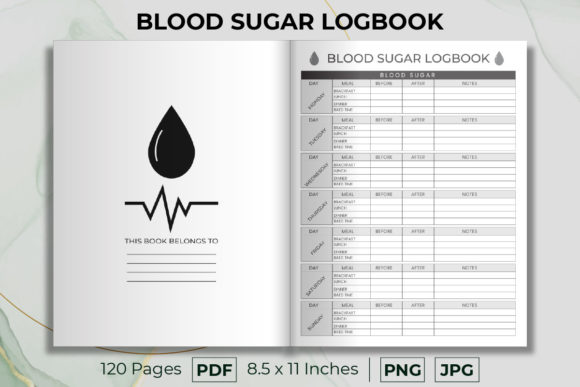
- Structured Layouts: Pre-formatted sections for time, glucose reading, carbohydrates, medication, notes, and perhaps even mood or exercise remove the mental burden of organizing data each time. Consistency in entry is critical for accurate trend analysis.
- Clarity and Space: Adequate space for handwriting is essential. A cluttered page discourages use. Clean, clear typography and intuitive guides help the user focus on filling in information, not on deciphering the page.
- Additional Tracking Features: Many quality logbooks include auxiliary sections for tracking weight, blood pressure, doctor appointments, and long-term goals. This holistic view supports broader health management beyond daily glucose.
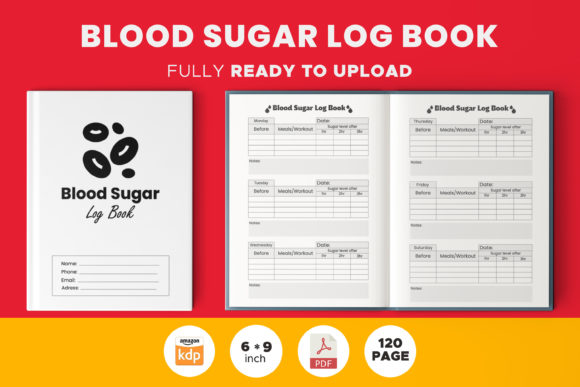
- Durability and Practicality: A logbook is used daily, often carried in a bag or kept on a kitchen counter. A sturdy design and a practical size, like the common 6 × 9 inch format, ensure it withstands regular use and is easy to handle.
Real-World Applications: Beyond the Individual
The primary user is, of course, someone managing diabetes or prediabetes. However, the utility of a Blood Sugar Tracker Logbook extends into several other environments.
For healthcare professionals, such as dietitians or diabetes educators, recommending or even providing a structured logbook can dramatically improve patient compliance and data quality. The information gathered becomes far more reliable and comprehensive than verbal recollections, leading to more personalized and effective care plans.
In educational settings, a logbook can be a powerful tool for teaching. Students learning about nutrition, biology, or personal health can use it to understand the practical application of metabolic principles, making theory tangible.
For caregivers managing the health of a family member, a shared logbook becomes a communication hub. It ensures everyone involved—spouses, adult children, visiting nurses—is on the same page regarding daily readings and observations, reducing errors and uncertainty.
The Value of a Ready-to-Use KDP Interior
For creators, educators, or healthcare advocates looking to produce a professional tool, a fully designed Blood Sugar Tracker Logbook KDP Interior offers a significant advantage. Consider a package that includes a high-quality 120-page PDF, tested for Amazon’s Kindle Direct Publishing (KDP) platform, with no bleed for the standard 6 × 9 inch trim size. This is a product ready for upload.
The inclusion of source files, like an Illustrator AI file and a PPTX file, is a notable strength. This allows for customization. Perhaps you want to add a specific motivational quote on the cover page, adjust a section header for a local language, or incorporate a particular clinic’s logo for a branded version. Having the source files means the template isn’t a static product; it’s a foundation you can adapt.
This approach solves several practical problems. It eliminates the time, cost, and expertise required to design a properly formatted interior from scratch. It ensures technical compliance with KDP’s specifications, avoiding costly rejection or printing errors. And it provides a professional, user-friendly design that has already considered the functional needs of the end-user.
Selecting and Implementing a Tracking Solution
When evaluating a logbook, whether for personal use or for publication, focus on usability first. Ask: Is the layout intuitive at first glance? Does it prompt for all the data I or my target audience needs to record? Is there enough space for comfortable writing? The physical experience of using it daily is paramount.
For publishers or creators using a KDP interior, practical considerations are different but equally crucial.
- Verify File Specifications: Ensure the provided PDF matches the exact trim size (6 × 9 in) and has “No Bleed” as required. This is essential for a clean print.
- Assess Customization Potential: Review the source files. If you have basic design skills, can you easily make the desired changes in PowerPoint or Illustrator? A well-organized source file makes adaptation straightforward.
- Consider Market Needs: Look at the interior’s design. Does it cater to a broad audience, or could it be specialized? The provided template is a starting point; its flexibility allows you to tailor it for niche markets, like logbooks for pregnant women with gestational diabetes or for athletes managing type 1 diabetes.
Implementing the use of a logbook, personally or professionally, requires a slight shift in routine. The key is integration. Place it next to your glucose monitor or in your medication bag. Make the entry part of the same moment you take your reading. The benefit isn’t in sporadic notes; it’s in the cumulative picture that emerges after a month of consistent use. That picture can inform dietary choices, adjust medication timing, and provide powerful, concrete evidence to discuss with your doctor.
The Unseen Benefits of a Tangible Record
While digital apps offer convenience, a paper-based Blood Sugar Tracker Logbook provides psychological and practical benefits that are often overlooked. The act of physically writing can reinforce memory and commitment. The book itself serves as a visual reminder of your health goals. Flipping through past pages offers a direct, uninterrupted view of your journey, free from screen glares or software updates.
Moreover, in clinical settings, a physical logbook handed to a doctor can facilitate a more focused conversation. Together, you can page through the history, annotate directly on the paper, and spot patterns instantly. It becomes a collaborative document, enhancing communication and trust.
Ultimately, whether you are an individual seeking control over your health, a professional looking to support your clients, or a creator aiming to publish a valuable tool, a well-designed tracking system is foundational. It transforms disjointed data into a coherent story—the story of your health, told one day, one entry, at a time.